As we sit on the precipice of the US election tomorrow – which for one reason or another will have dramatic geopolitical consequences and mark a percent moment in American political, the world has also seen an unprecedented degree of electoral action, the consequences have yet to be fully realized. Risks of social, economic and political change loom large around the world.
In Canada, the country watches as provincial leaders scramble to get ahead of the impending federal election. BC, New Brunswick, Saskatchewan and at the time of writing, Nova Scotia has just announced that voters will go to to the polls for the end of November; each most assuredly to get ahead of both the US general election and the pending looming federal election in Canada.
Globally, more than 1.5 billion ballots have been cast already in 2024, marking roughly 62 of 73 national (an EU) elections held this year. The world seems increasingly unsettled and the risks of regional economic and political destabilization loom large.
As just a few examples, recent elections in Bolivia, Georgia, Türkiye, Mozambique, and Papua New Guinea have been marred by disputes, protests, and allegations of irregularities. These events, coupled with ongoing social unrest in various regions, have created a complex and volatile global landscape with significant implications for the mining industry.
This year has been referred to as the Election Super Cycle as more voters than ever in history will head to the polls as at least 64 countries (as well as the European Union) are in an election cycle. This is a combined population of about 49% of the people in the world—are meant to hold national elections, the results of which, for many, will undoubtedly prove consequential for years to come.
Without a doubt, 2024 is positioned to provide a pivotal moment in geo- politics, with substantial potential to reshape international trade, climate policies, and the geopolitical landscape. The below sets out the potential impact of anticipated outcomes and what tech companies can do to prepare.
The implications of regional and federal elections throughout many countries however, have and will continue to have implications both economically and socially as changes in public policy reflect changes in government.
The world seems increasingly unsettled. Recent elections in Bolivia, Georgia, Türkiye, Mozambique, and Papua New Guinea have been marred by disputes, protests, and allegations of irregularities. These events, coupled with ongoing social unrest in various regions, have created a complex and volatile global landscape with significant implications for the mining industry.
The question remains for many in the mining industry,(as with most sectors of the economy) – how will these elections impact their business strategy. For executives, the thought process must be developing an analytical framework to understand the motivations and path each new government will take, and how to minimize the impacts or any business interruptions. Some examples to watch in terms of disruptions, socially, economically or in terms of changes in public policy. These may be short or medium term inflections as well as much longer term implications.
Bolivia’s Contested Results
In Bolivia, the recent presidential election triggered widespread protests and allegations of fraud. The incumbent, Luis Arce, claimed victory, but the opposition disputed the results. The Organization of American States (OAS) raised concerns about irregularities in the vote count, further fueling the controversy. The political deadlock has led to uncertainty and instability, potentially impacting mining operations in the country, particularly given the sector’s history of social conflict.
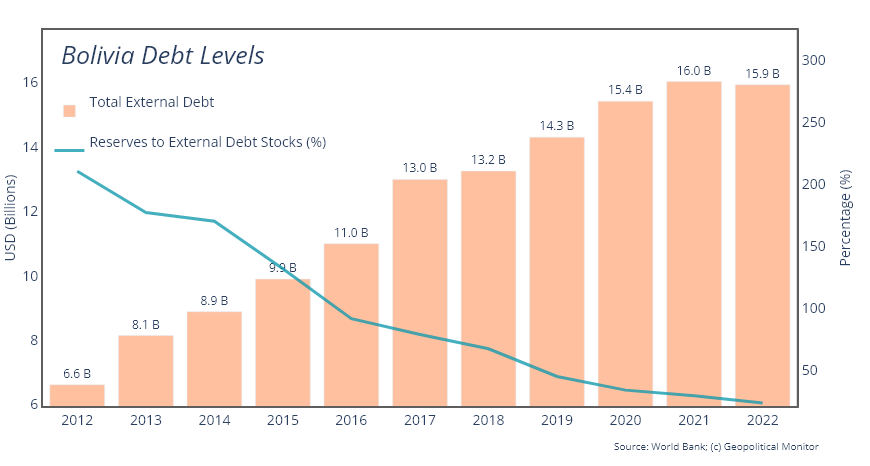
For Bolivia, the uncertainty around the political future is only matched by the excessive debt levels facing the country. The turmoil politically will subside in the short term, however the longer term policy changes that impact the country through the lack of revenue are both a challenge and create opportunities. While mining has historically played a substantial role in Bolivia’s economic fortune, moving out of this critical economic situation, could create even more robust policy framework with the right Public Affairs approach.
Georgia’s Electoral Rift
Georgia’s parliamentary elections also sparked controversy and protests. The ruling Georgian Dream party secured a majority, but the opposition accused the government of manipulating the results. The protests, though smaller than in Bolivia, have highlighted deep political divisions and raised concerns about the country’s democratic trajectory. While Georgia’s mining sector is not as prominent as some others, political instability could still deter investment and hinder operations.
The longer term implications of this electoral outcome is where the influence on post-election policy will come from. Georgia’s proximity to the Russian boarder have the EU fundamentally concerned, and if there was any greater influence or involvement in Georgia, like Ukraine, asa non-EU country, would have regional implications without question. However globally, with the potential for further regional strife could have significant implications for automotive, agricultural and, naturally mineral production.
Türkiye’s Economic Woes
Türkiye’s economic woes, exacerbated by high inflation and currency devaluation, have led to social unrest and political polarization. President Recep Tayyip Erdogan’s unorthodox economic policies have been criticized, and the opposition has gained ground. The country’s political landscape remains volatile, and any further economic deterioration could exacerbate social tensions and potentially impact mining activities, particularly in regions with significant social unrest.
Mozambique’s Insurgency Threat
Mozambique’s northern region has been plagued by an insurgency carried out by the jihadist group Ahlu Sunnah wa Jamah. The conflict has displaced thousands, disrupted economic activity, and posed a significant threat to the country’s mining industry. The insurgency has made it difficult to operate in certain areas, leading to project delays and increased security costs.
Papua New Guinea’s Political Turmoil
Papua New Guinea, a resource-rich country, has been grappling with political instability and social unrest. The recent general election was marred by violence and allegations of fraud. The country’s political landscape is fragmented, and the government faces challenges in maintaining law and order. The ongoing political turmoil could impact mining operations, particularly in remote areas where security concerns are already high.
Implications for the Mining Industry
The ongoing political and social instability in these countries, (as well as countless others) highlights the risks facing the mining industry. Mining projects are often located in remote and conflict-prone areas, making them vulnerable to security threats, social unrest, and political interference. For mining executives, these considerations include:
Increased Security Costs: Political instability often leads to increased security costs for mining companies. They may need to hire additional security personnel, invest in security infrastructure, and implement stricter security protocols.
Operational Disruptions: Protests, strikes, and civil unrest can disrupt mining operations, leading to production delays, transportation bottlenecks, and increased costs.
Investment Uncertainty: Political instability can deter investment in the mining sector. Investors may be hesitant to commit capital to projects in countries with uncertain political and social environments.
Social License to Operate: Mining companies need to maintain a strong social license to operate, which requires building trust and addressing community concerns. Political instability can exacerbate social tensions and make it more difficult for companies to obtain and maintain social acceptance.
The Next Chapter?
The global political and social landscape is increasingly complex and volatile. The recent events in Bolivia, Georgia, Türkiye, Mozambique, and Papua New Guinea are just a few examples of the challenges facing the mining industry. Mining companies need to be vigilant, adapt to changing circumstances, and prioritize risk management to navigate these turbulent times.
 Help, is on the way
Leave a comment