I have been a life long Miami Dolphins fan, and in particular the individual talents of the legendary Dan Marino. I longed for the Dolphins to ascend to the top of the football world and win, just one, Super Bowl. Conversely, I loathed the New England Patriots, specifically Tom Brady.

Tom Brady led his teams to a record seven Super Bowl victories (2002, 2004, 2005, 2015, 2017, 2019, and 2021) and was named the game’s Most Valuable Player (MVP) five times (2002, 2004, 2015, 2017, and 2021).
Brady was picked in the 2000 draft with the 199th selection of 254 total. Somehow, with his unassuming seemingly quite limited array of talents as a quarterback, Brady (and this is painful to admit) came from a decent university career to the NFL bench, and then over the course of his career, became the undisputed greatest NFL quarterback in history.
Why is this relevant? Because along the way to winning more Super Bowl’s than more than a 17 NFL teams combined, he’s learned a thing or two about leadership. In a recent HBR article, Brady goes on to note “Always put the team first. Even when you don’t receive the recognition or opportunities you desire, never blame your team. Instead, be a motivating force by doing what you can to support those who are succeeding. ” Sage advice for driving a winning attitude and creating a positive culture.
The recent public debates about employee productivity, in my view, come in large part from culture. The risks associated with declining productivity in large part result from declines in employee engagement, corporate focus and mid-long term visioning. The absence of strong leadership, guidance and strategy however, comes at considerable corporate risk.
In today’s volatile business environment, organizations face a multitude of risks that threaten their stability and long-term success. Among the most pressing are employee turnover, poor external reputation management, underinvestment in brand development, failures in project execution, and dysfunctional leadership. Each of these risks carries significant consequences, and together they form a formidable challenge for leaders striving to maintain a competitive edge.
The Revolving Door: Employee Turnover
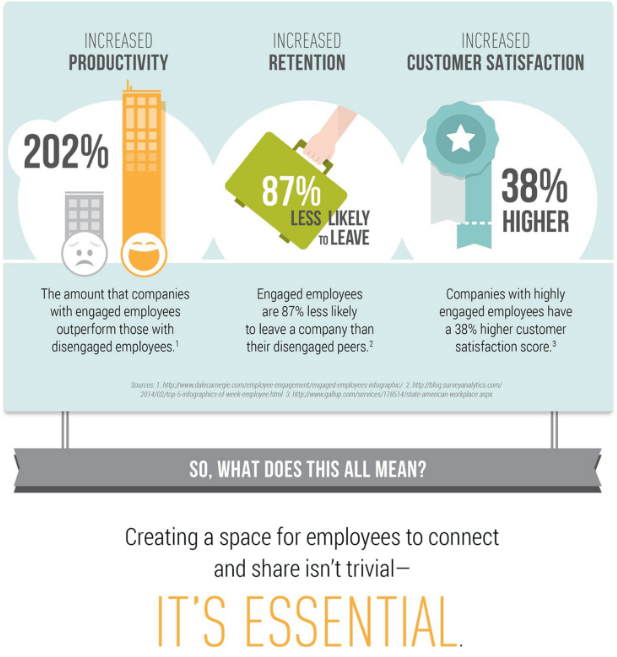
Employee turnover remains one of the most pervasive threats to organizational stability. High turnover rates disrupt operations, inflate recruitment and training costs, and erode institutional knowledge. In the hyper-competitive landscape of the 21st century, where talent is a critical asset, retaining top employees is imperative.
The causes of turnover are manifold—ranging from inadequate compensation and benefits to poor management practices and lack of career progression opportunities. Companies with robust retention strategies tend to offer more than just competitive salaries; they foster inclusive cultures, provide clear career pathways, and invest in professional development. According to a 2023 survey by Deloitte, organizations with comprehensive retention programs saw a 25% reduction in turnover rates compared to those without.
However, not all turnover is detrimental. Healthy attrition—where underperforming or poorly aligned employees leave—can benefit organizations by making room for new talent that better fits the evolving needs of the business. The key lies in differentiating between harmful and beneficial turnover and managing each appropriately.
The Invisible Hand: Managing External Reputation
An organization’s external reputation is a critical yet often underappreciated asset. It influences customer loyalty, investor confidence, and even regulatory relationships. In the age of social media and instant communication, reputational risks can escalate swiftly, with a single negative incident potentially causing widespread damage.
Effective reputation management requires a proactive approach. It involves constant monitoring of public perception, transparent communication strategies, and the ability to respond quickly and effectively to crises. A failure in this area can lead to long-lasting consequences. For example, consider the case of Uber, whose numerous scandals over the years, from regulatory breaches to cultural criticisms, severely dented its public image, impacting user trust and stock performance.
Moreover, aligning organizational actions with public expectations on issues like corporate social responsibility, environmental sustainability, and ethical governance has never been more critical. Consumers and stakeholders increasingly expect companies to not only deliver profits but also to contribute positively to society. A misalignment can result in boycotts, legal troubles, and loss of business, as seen in the recent backlash against major fashion brands accused of unethical labor practices.
The Neglected Asset: Investing in the Brand
In the competitive market, brand strength is a significant determinant of an organization’s success. A strong brand creates differentiation, fosters customer loyalty, and can even command premium pricing. Despite its importance, many organizations underinvest in their brands, viewing such expenditures as discretionary rather than essential.
Brand development is a multifaceted endeavor that includes marketing, customer experience, and even product innovation. Organizations that consistently invest in their brands enjoy a variety of benefits, including higher customer retention and more resilient revenue streams during economic downturns. For example, Apple’s sustained investment in its brand through innovative products and compelling marketing campaigns has helped it achieve a market capitalization that dwarfs its competitors.
Conversely, underinvestment in branding can lead to market invisibility. A weak brand struggles to capture consumer attention, resulting in lost sales and diminished market share. A 2022 study by McKinsey highlighted that organizations with robust brand strategies outperformed their peers by 33% in revenue growth.
The Execution Gap: Failing to Deliver on Projects
Execution risk is another critical concern for modern organizations. The ability to deliver projects on time, within scope, and on budget directly impacts an organization’s credibility and financial health. Project failures can stem from a variety of sources: inadequate planning, poor risk management, lack of stakeholder engagement, and insufficient resource allocation.
In sectors such as technology and construction, where project complexity is high, execution failures can be particularly damaging. The high-profile collapse of several large-scale infrastructure projects, like the Berlin Brandenburg Airport in Germany, underscores the potential fallout from poor execution: delays, cost overruns, and reputational damage.
Successful project execution demands meticulous planning, robust project management practices, and a culture that encourages accountability and continuous improvement. Organizations that excel in project execution often have clearly defined processes, strong leadership, and the flexibility to adapt to changing circumstances.
The Achilles’ Heel: Dysfunctional Leadership
Dysfunctional leadership stands out as a particularly insidious risk, capable of exacerbating the other organizational challenges. Leaders who lack vision, fail to communicate effectively, or foster toxic cultures can derail even the most well-conceived strategies.
Dysfunctional leadership often manifests in various ways: indecisiveness, conflict avoidance, favoritism, and failure to hold individuals accountable. Such behaviors can demoralize employees, stifle innovation, and erode trust within the organization. A Harvard Business Review study found that 70% of employees consider their leaders to be the most significant factor in their job satisfaction and performance. Thus, poor leadership can directly contribute to higher turnover, diminished brand reputation, and project failures.
Effective leadership, in contrast, requires a combination of strategic foresight, emotional intelligence, and operational competence. Leaders must be able to articulate a clear vision, inspire and align their teams, and navigate the complex landscape of modern business challenges. Leadership development and succession planning are critical components in mitigating this risk, ensuring that the organization is not overly dependent on a few key individuals and that there is a continuous pipeline of capable leaders.
Conclusion
The interplay between employee turnover, external reputation management, brand investment, project execution, and leadership forms a complex web of risks that modern organizations must navigate. Addressing these risks requires a holistic approach that encompasses strategic planning, cultural alignment, and continuous monitoring and adaptation.
By fostering a stable workforce, managing external reputation proactively, investing consistently in the brand, ensuring diligent project execution, and cultivating effective leadership, organizations can build resilience against these formidable challenges. In an era where uncertainty is the only constant, such resilience is not just desirable—it is essential for survival and success.
 Help, is on the way
Leave a comment